

You've finished jobs all over town. There's no way for anyone to see one.
Every job you've finished is real, photographed and closed out. Almost all of it never left the truck.
The people deciding whether to call you can't see any of it — so they decide on a sign, a truck, and a guess instead.
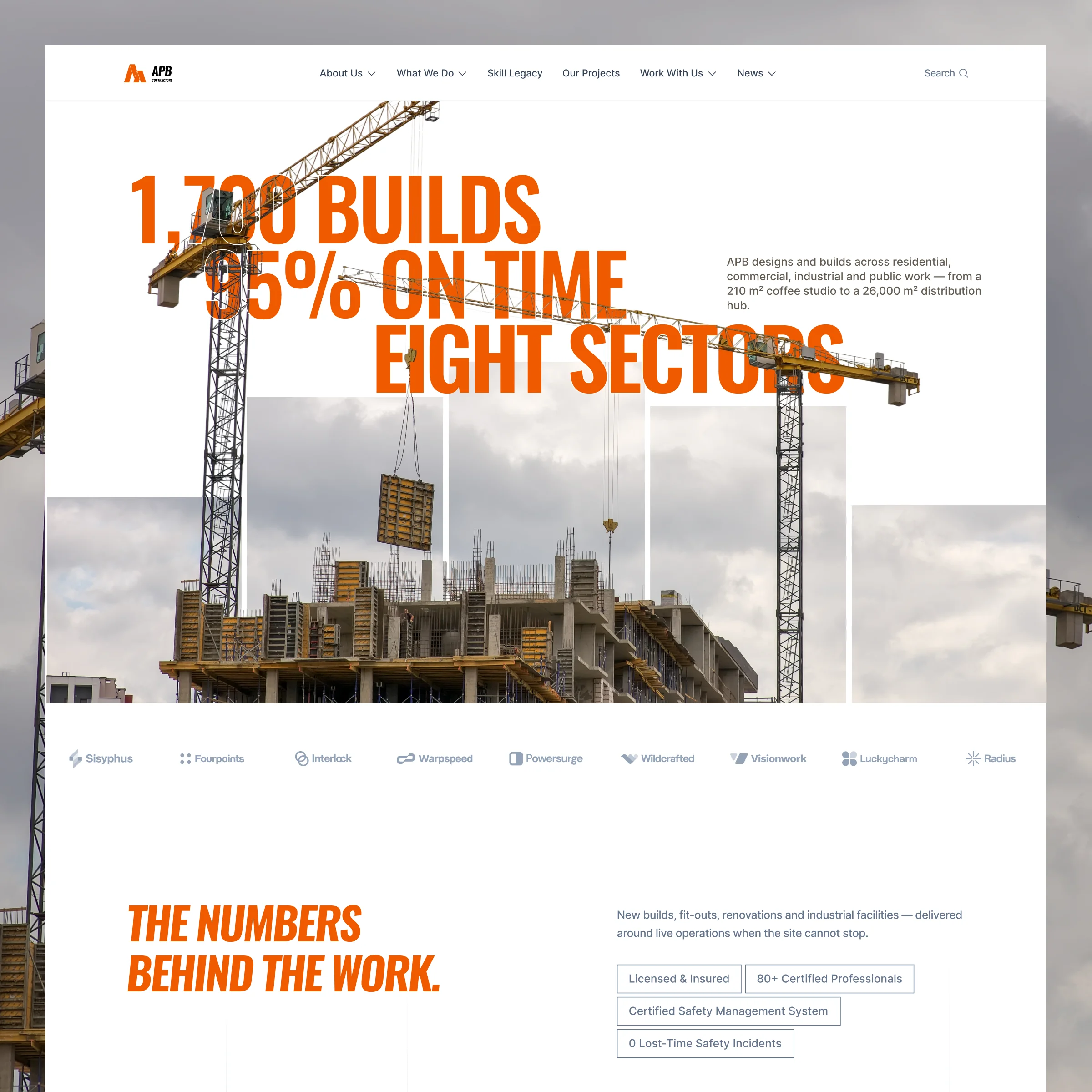
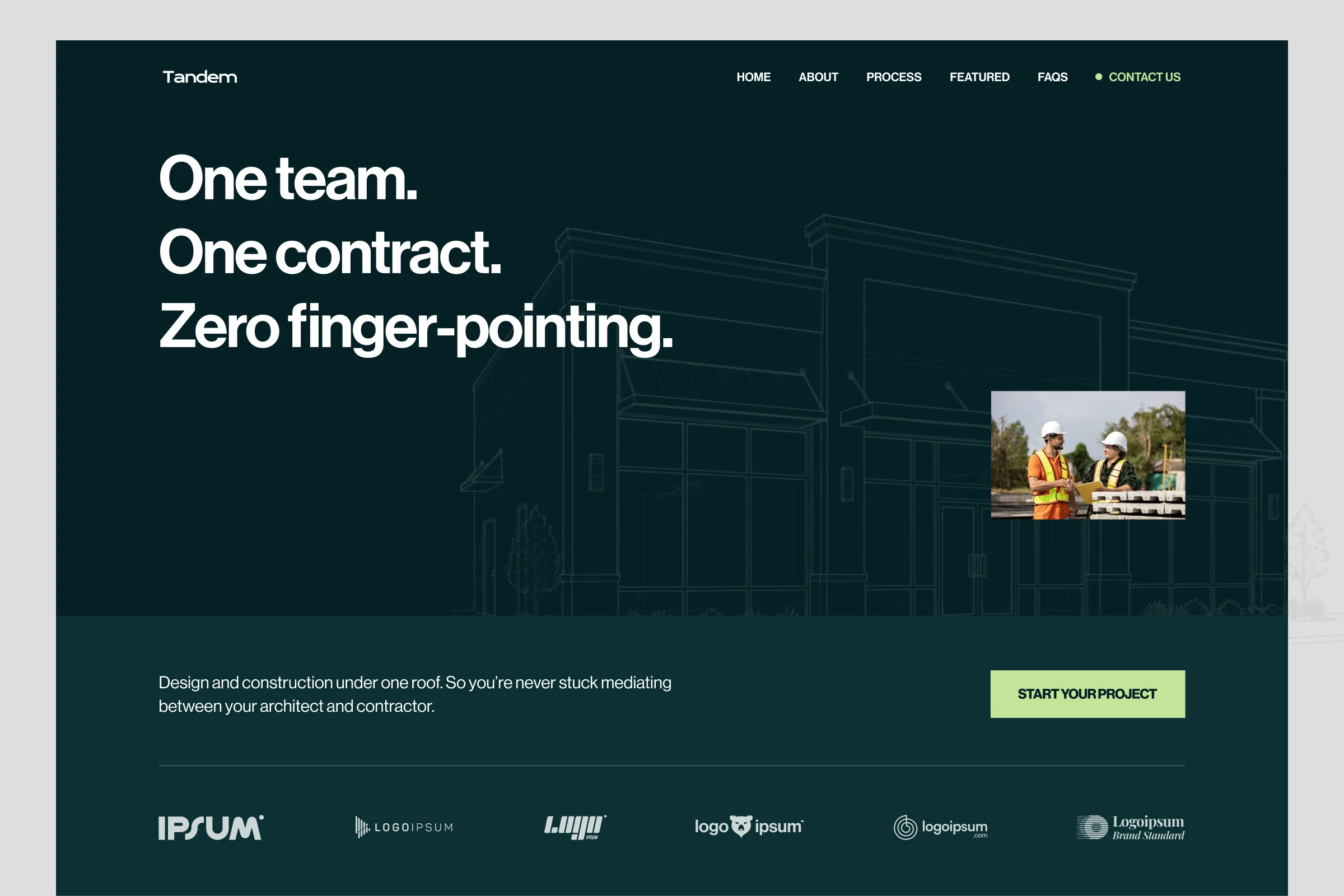
Your site says quality craftsmanship and trusted results. So does every contractor's.
The people reading it are trying to settle one question — whether you've actually built something like theirs.
Adjectives don't answer that. The job you finished last month would have — and it isn't on there.
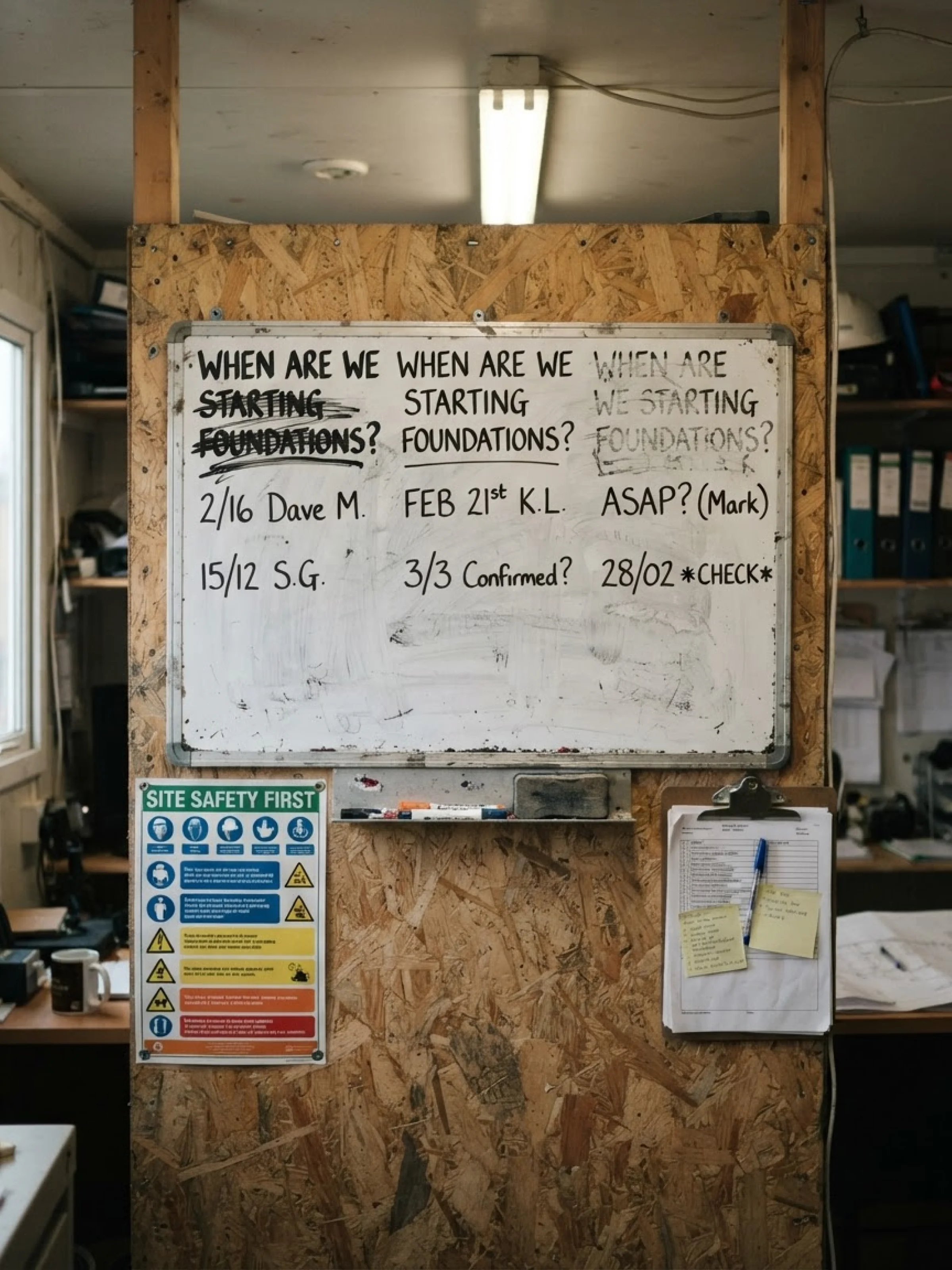
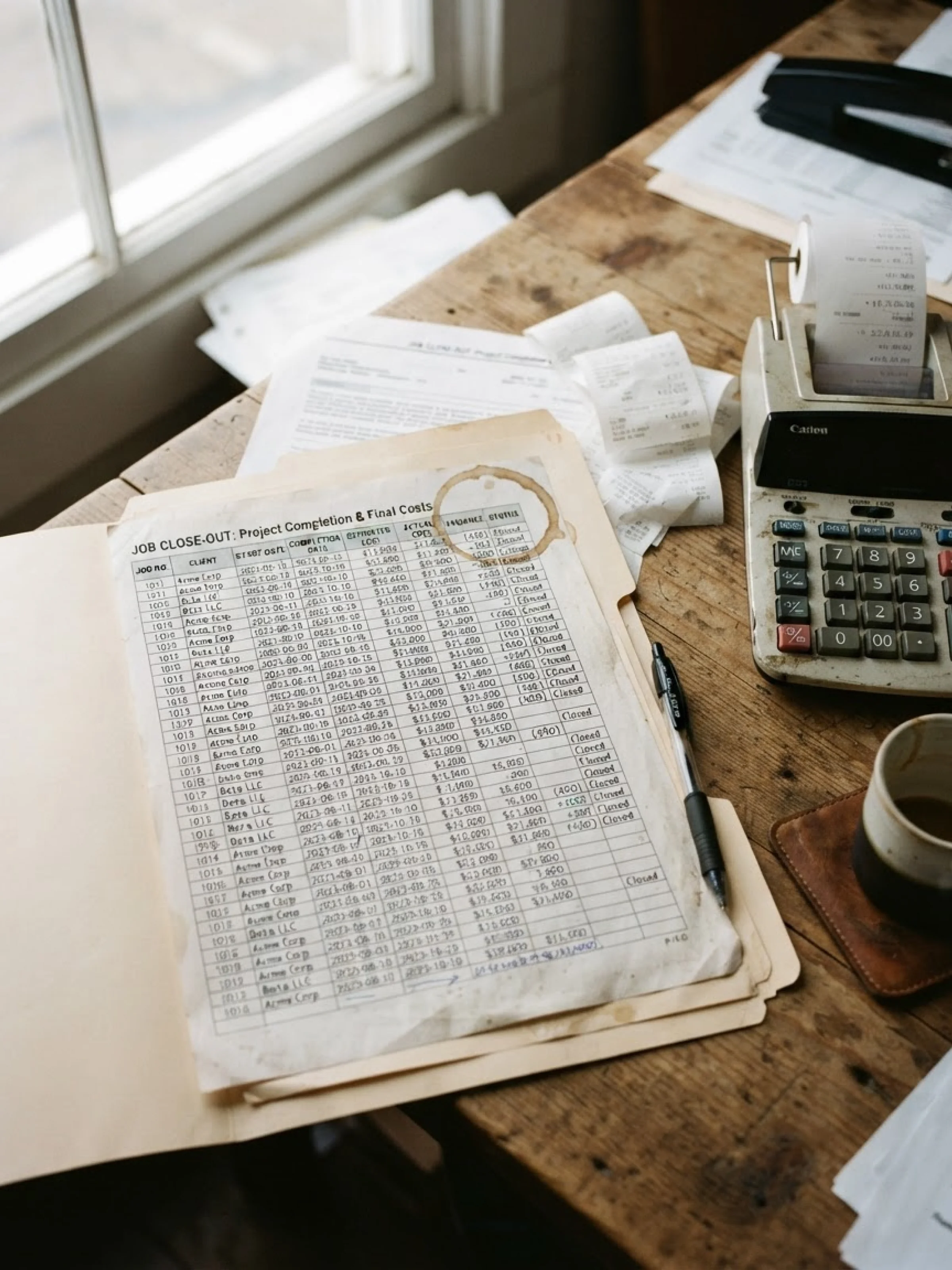
Here's what nobody outside your company can see.

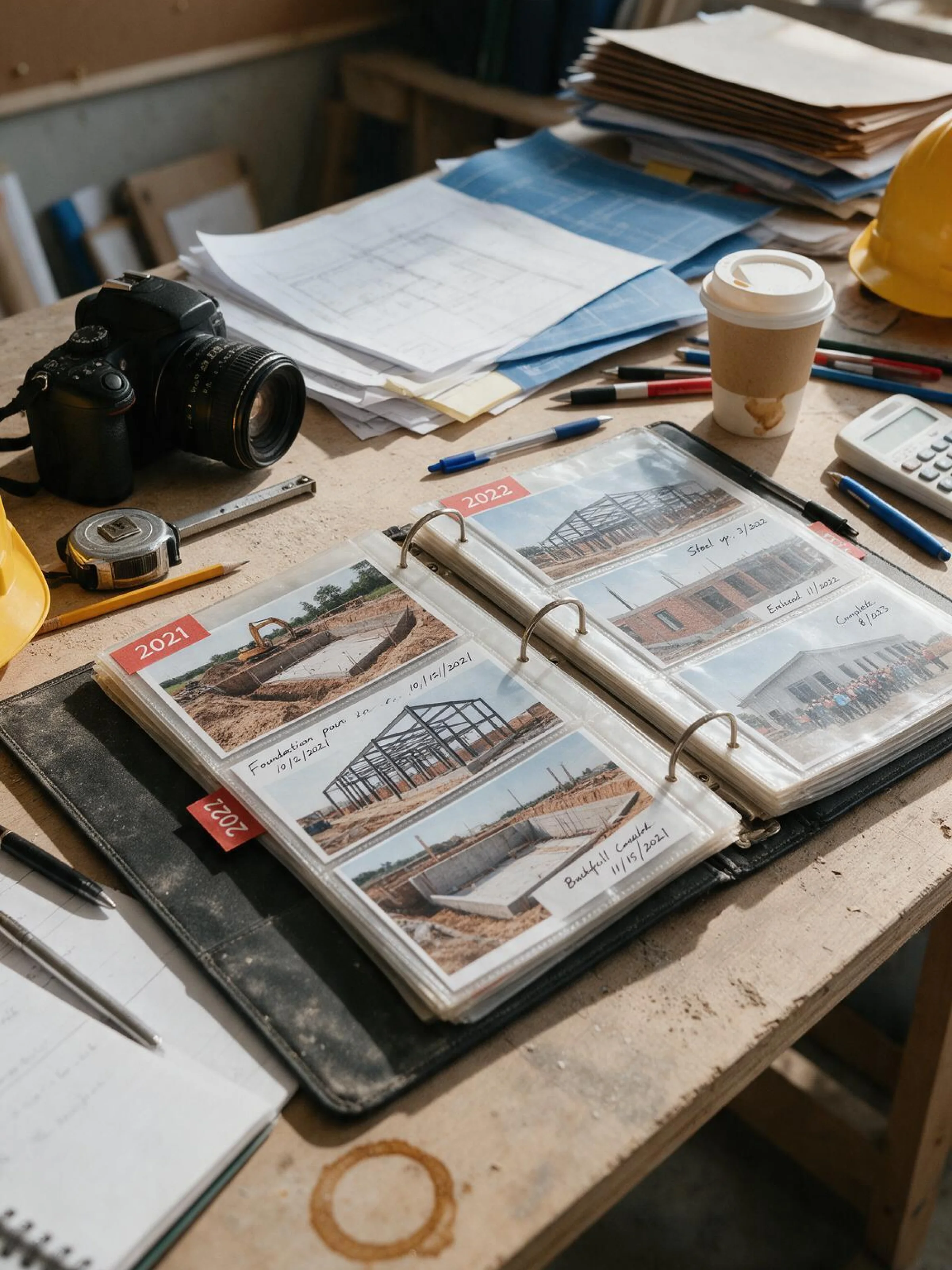
Every job you've finished lives in a binder in the truck. Ten years of work, and there's nothing a stranger can look at.
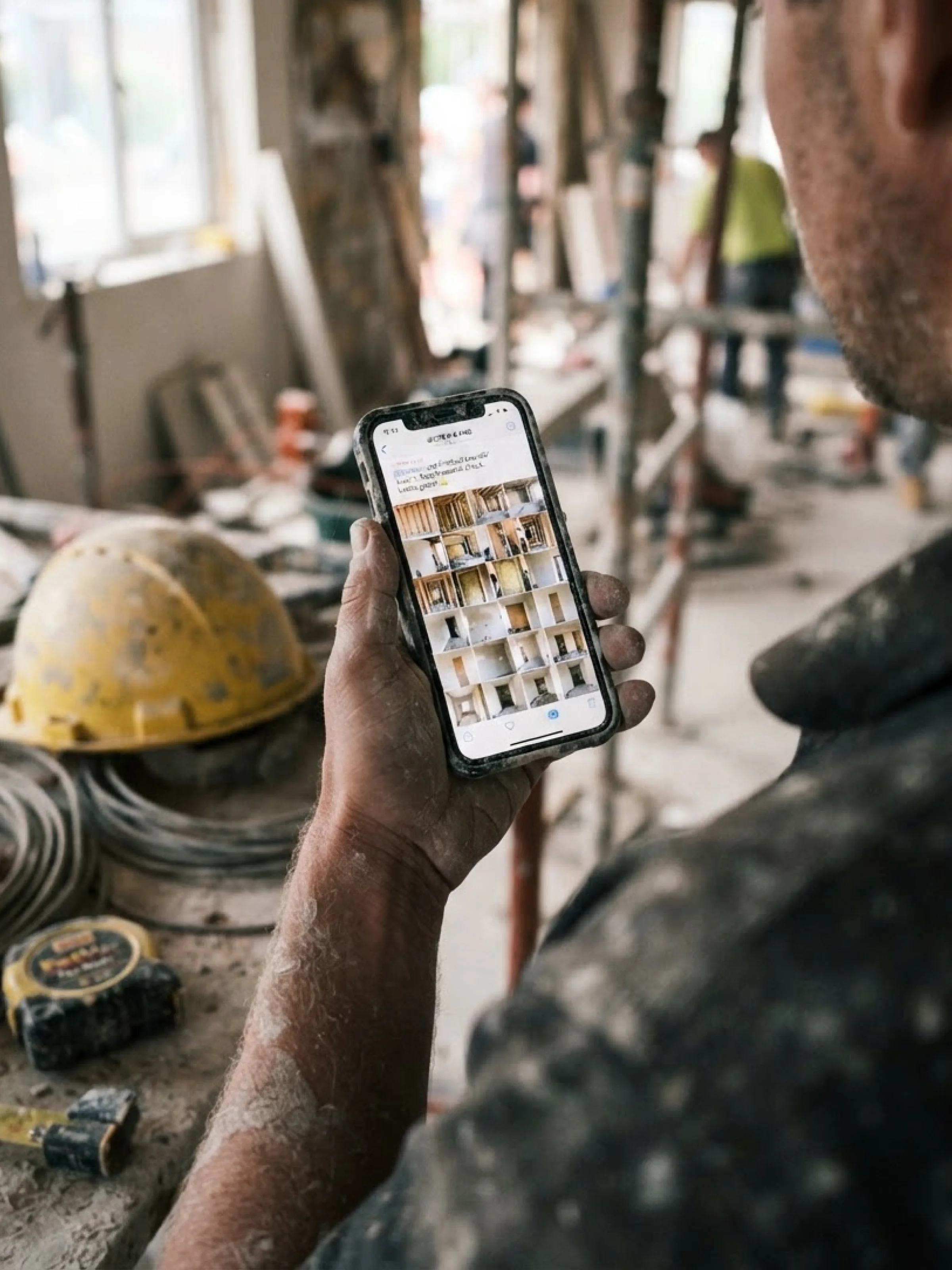
The photos exist — every crew shoots the job on a phone. They're sitting in a group chat, not anywhere a future client will ever see them.
What you actually build has to be explained one enquiry at a time. Somebody wants to know whether you handle additions or permits, and finding out costs them a phone call.
Nothing you can send carries a number. The timeline, the budget delivered, the jobs closed out on schedule — all real, all sitting in paperwork nobody outside reads.
A recommendation arrives as your name. They search it, find a directory listing and a phone number, and decide from that.


Here's what your site is doing to your company.
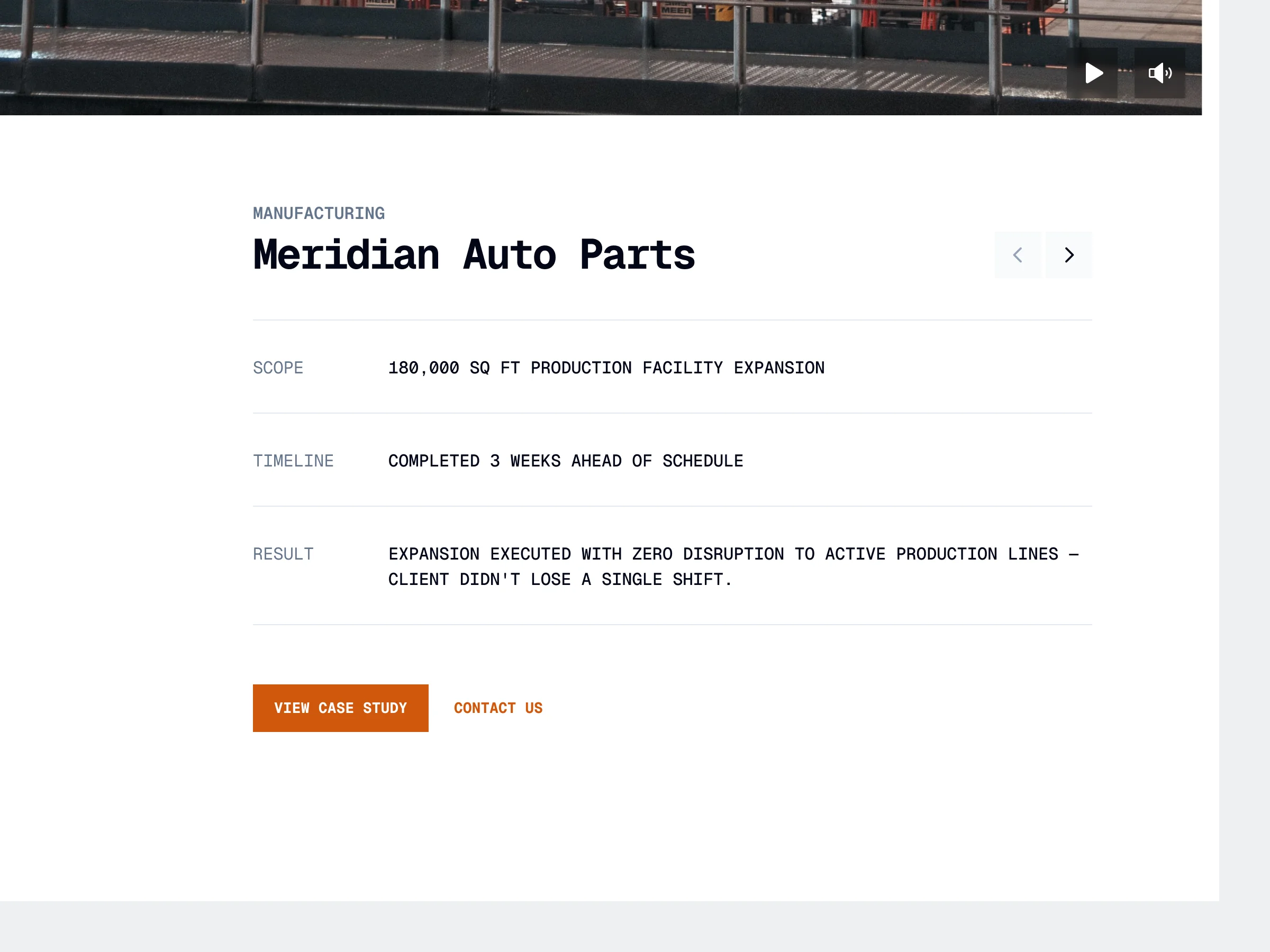
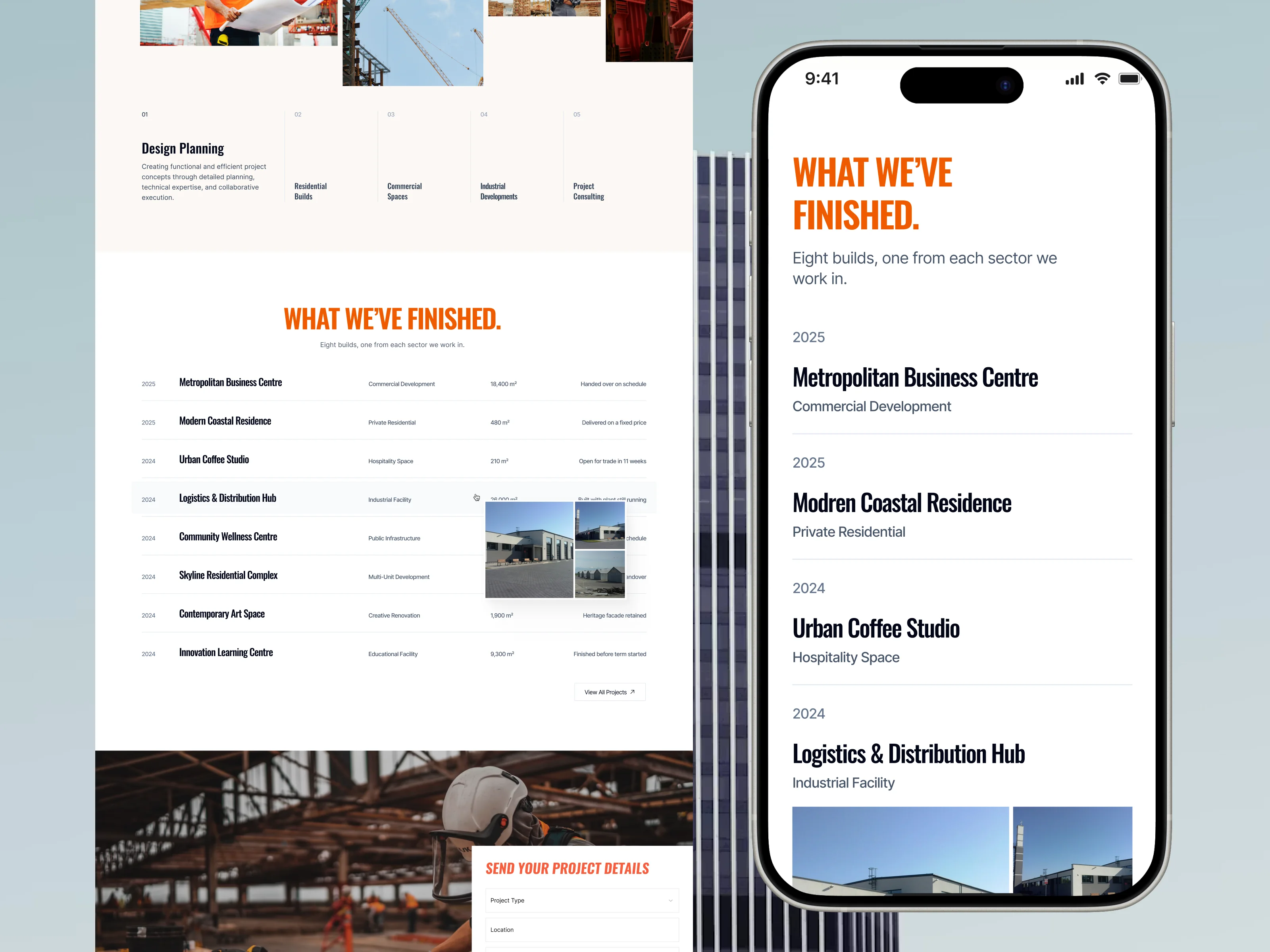
The projects are a gallery of unlabelled photos. Same hard hat and rebar in every one, no client, no size, no result — nothing that tells anyone what they're looking at.
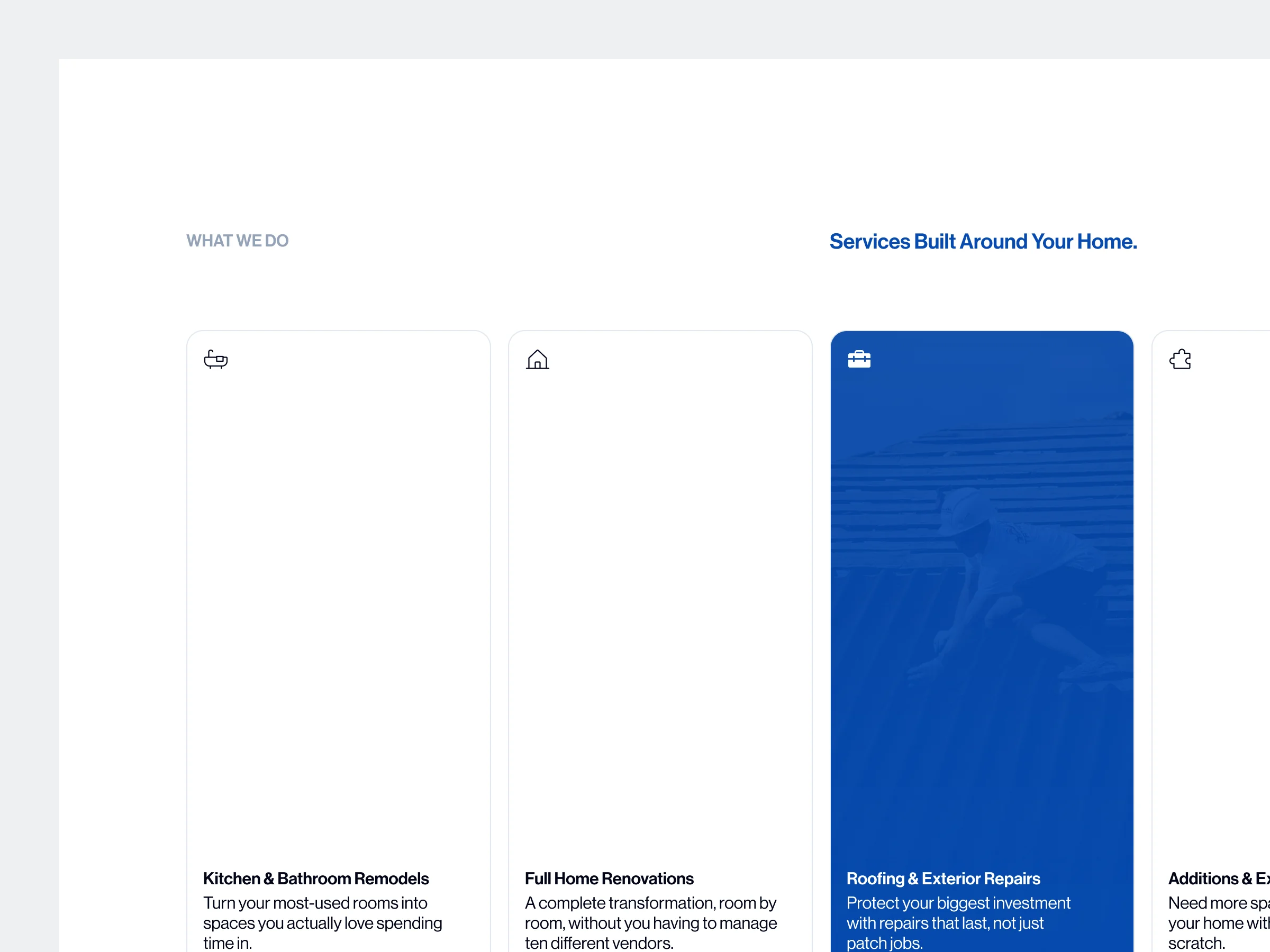
Your services are three words on a page with nothing behind them. Someone who needs that exact thing has nowhere to land and nothing to read.
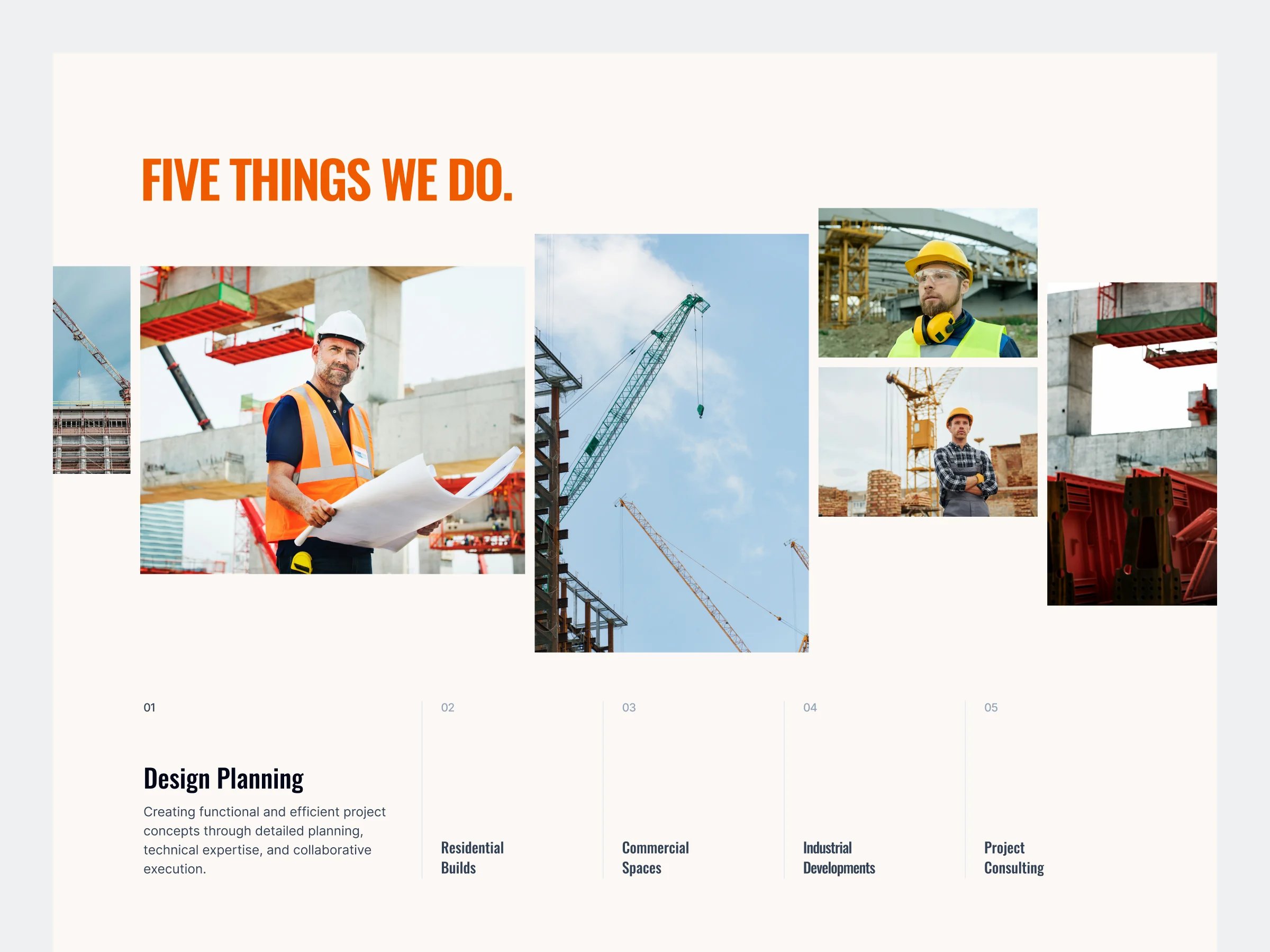
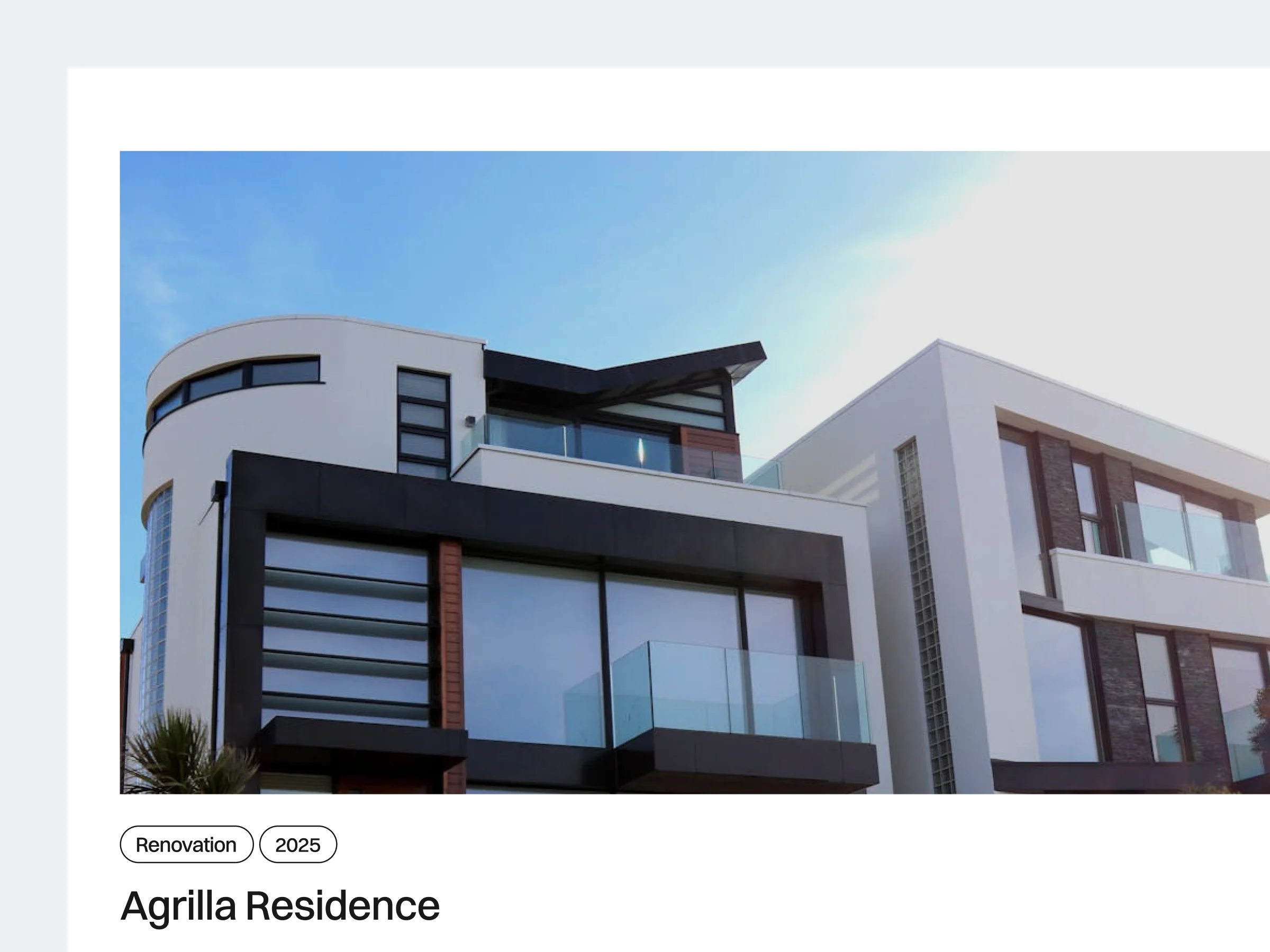
The photos are stock. A hard hat and a handshake, a blueprint that isn't yours, a site you've never set foot on.
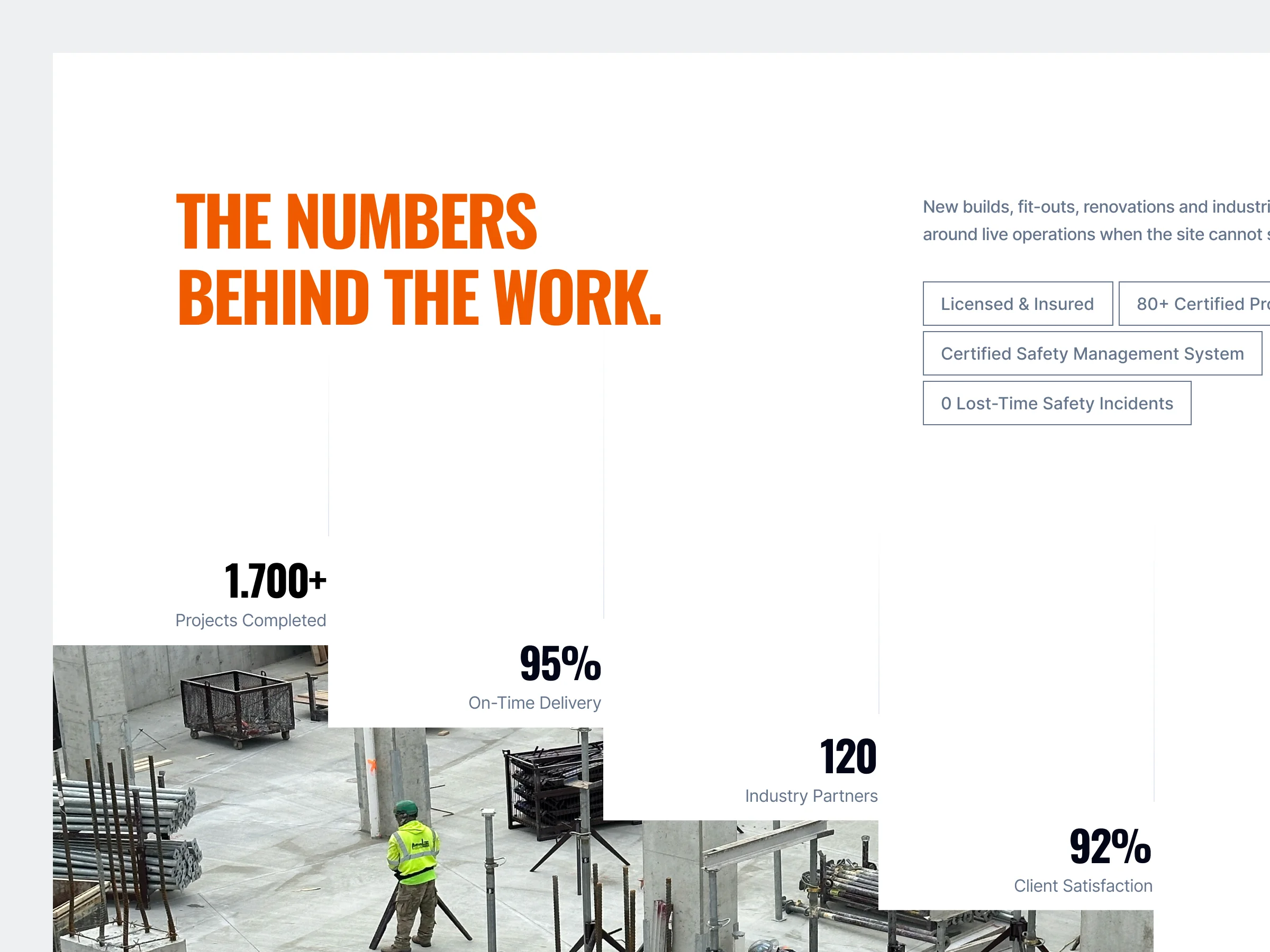
Everything on the site is an adjective. Reliable, trusted, quality craftsmanship — and not one figure anywhere, in an industry that runs on deadlines and budgets.
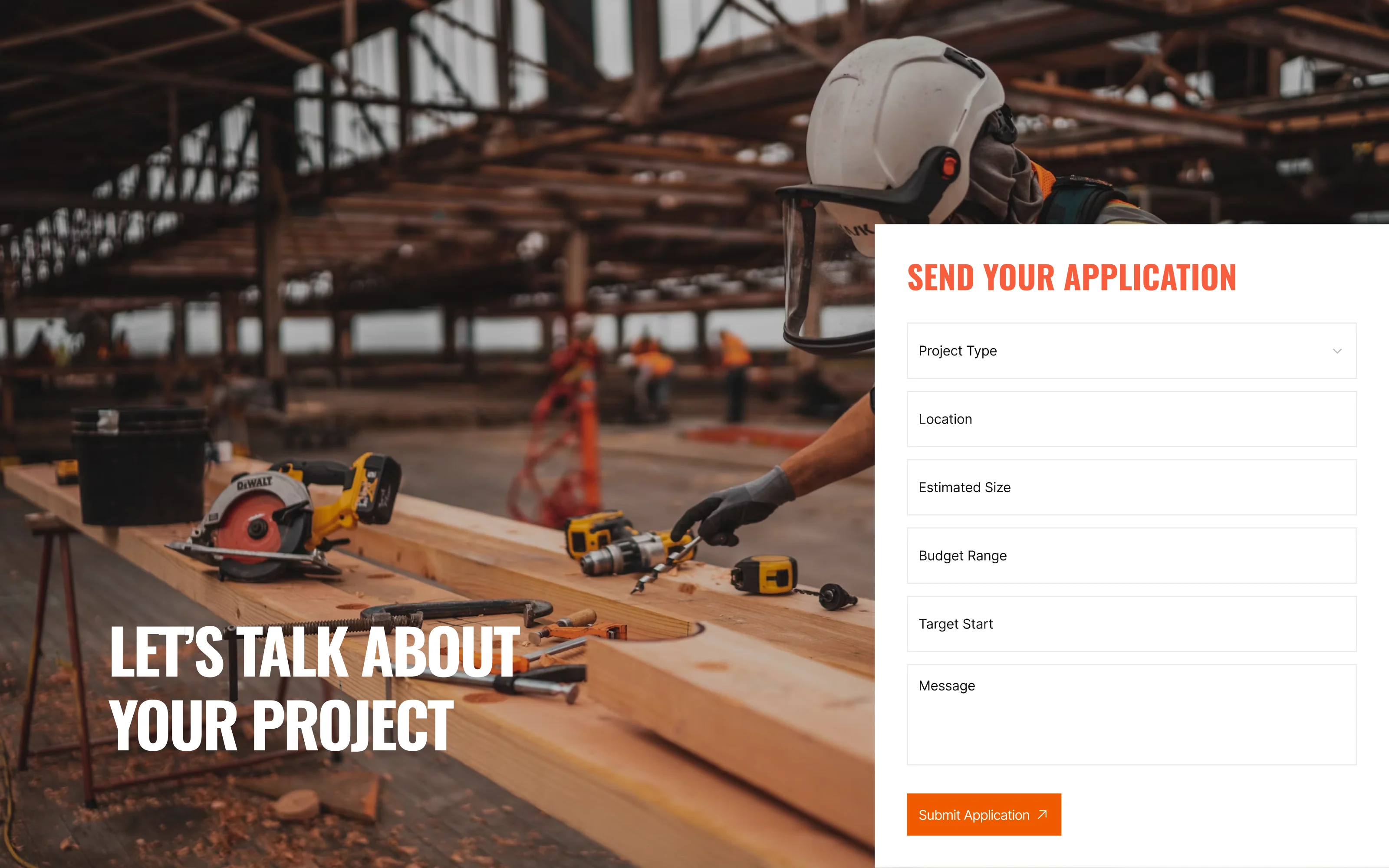
The only way to start anything is a contact form that asks for a name and a message. It doesn't ask for a single thing you'd actually need to quote.
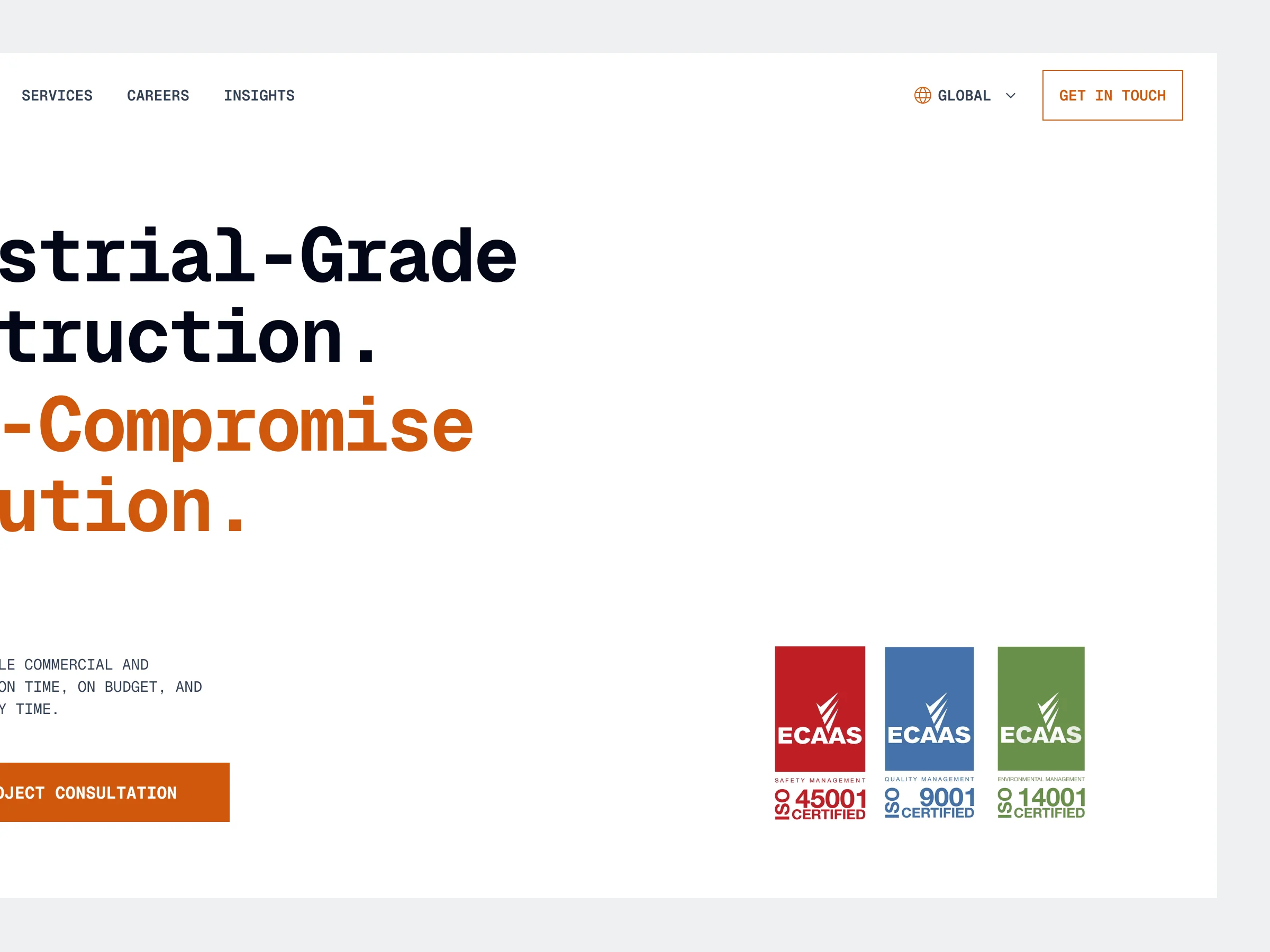
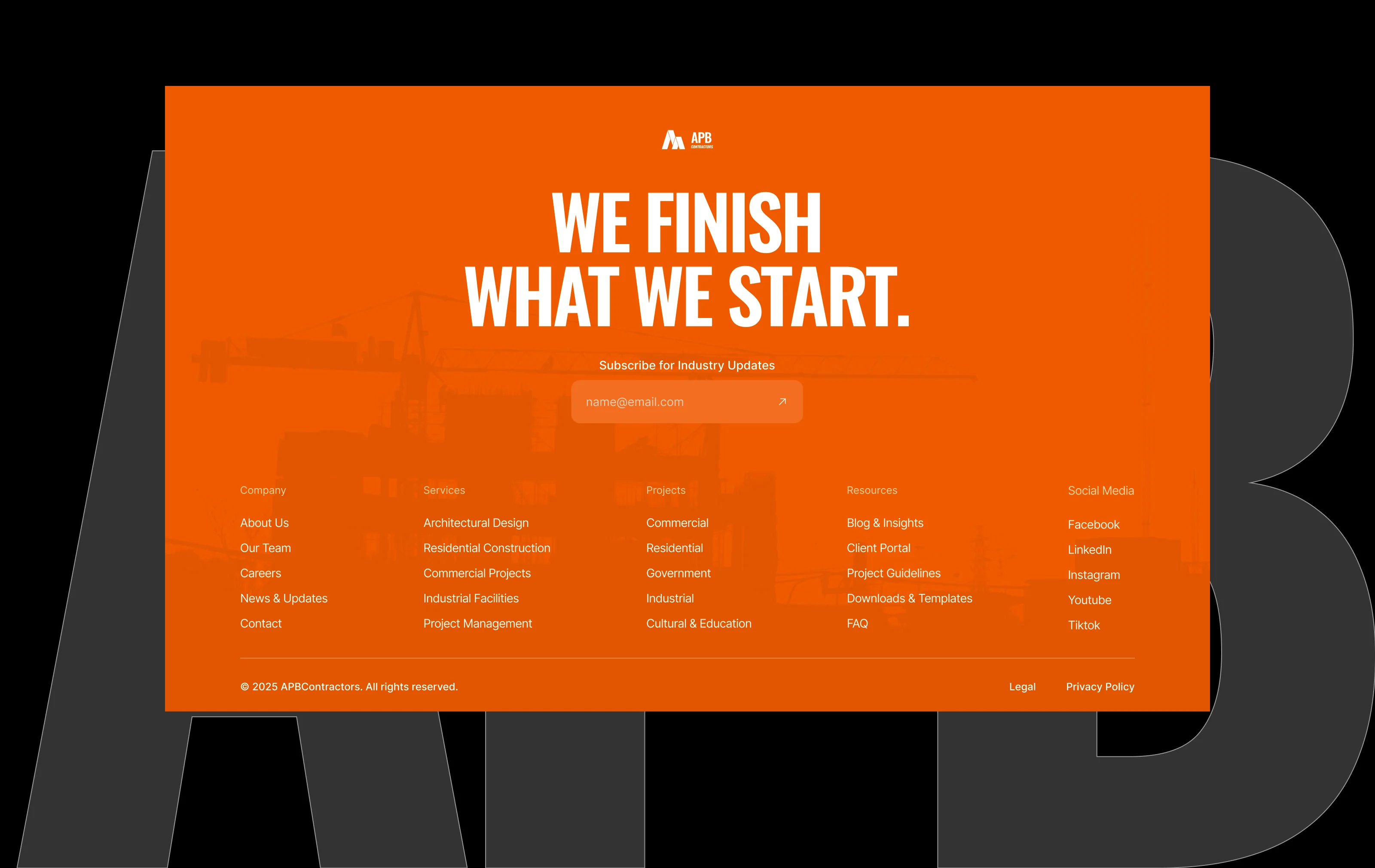
Your licences, insurance and safety certifications are a strip of grey logos in the footer. The one thing that takes the risk out of hiring you is the smallest thing on the page.
What a website does that a truck sign never will.
Five things, in the same order as above.
01
Put the finished work somewhere strangers can see it
01
Get the jobsite photos off the phone and onto the site
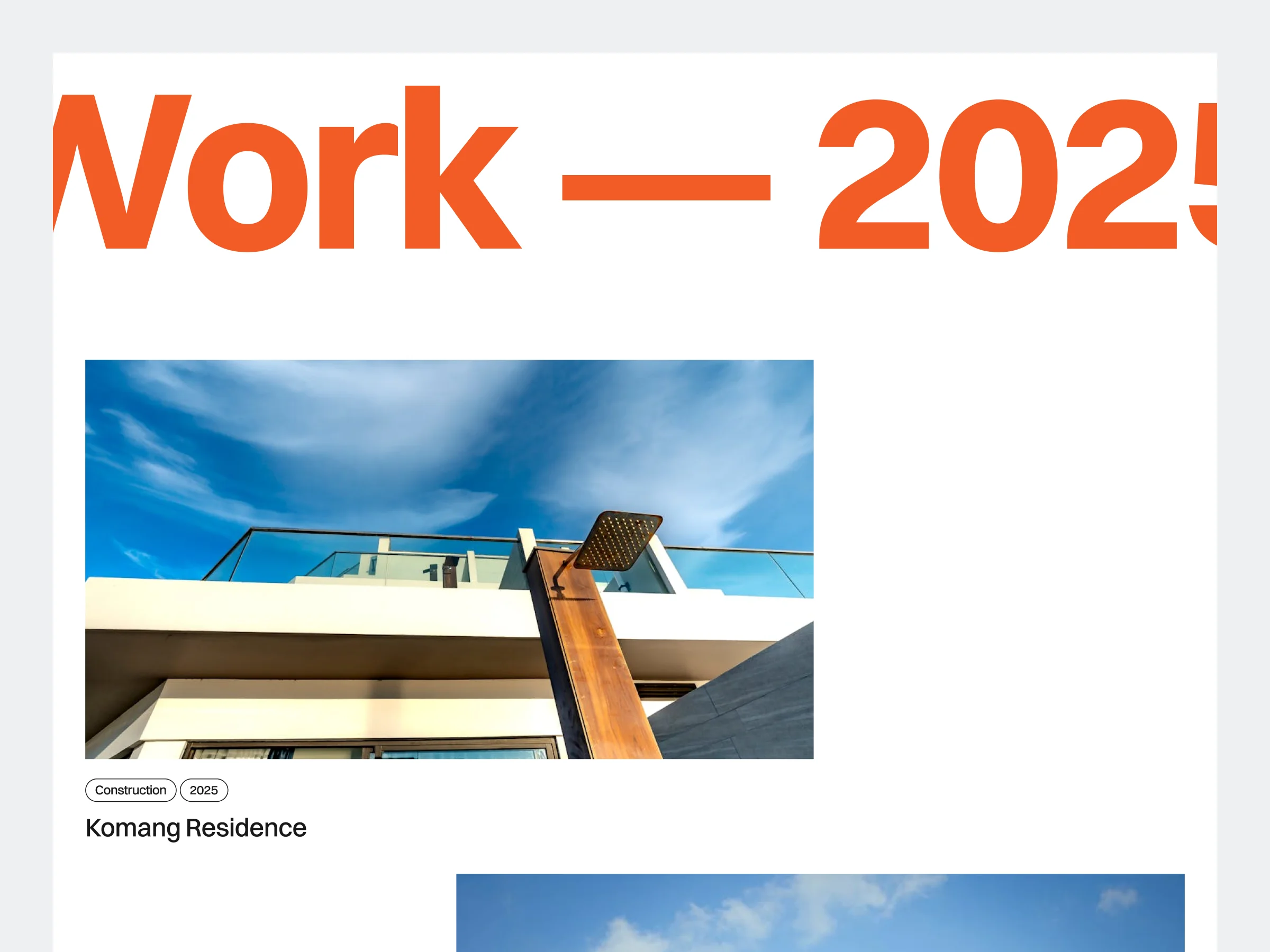
01
Let the site answer “do you do this?” without a call
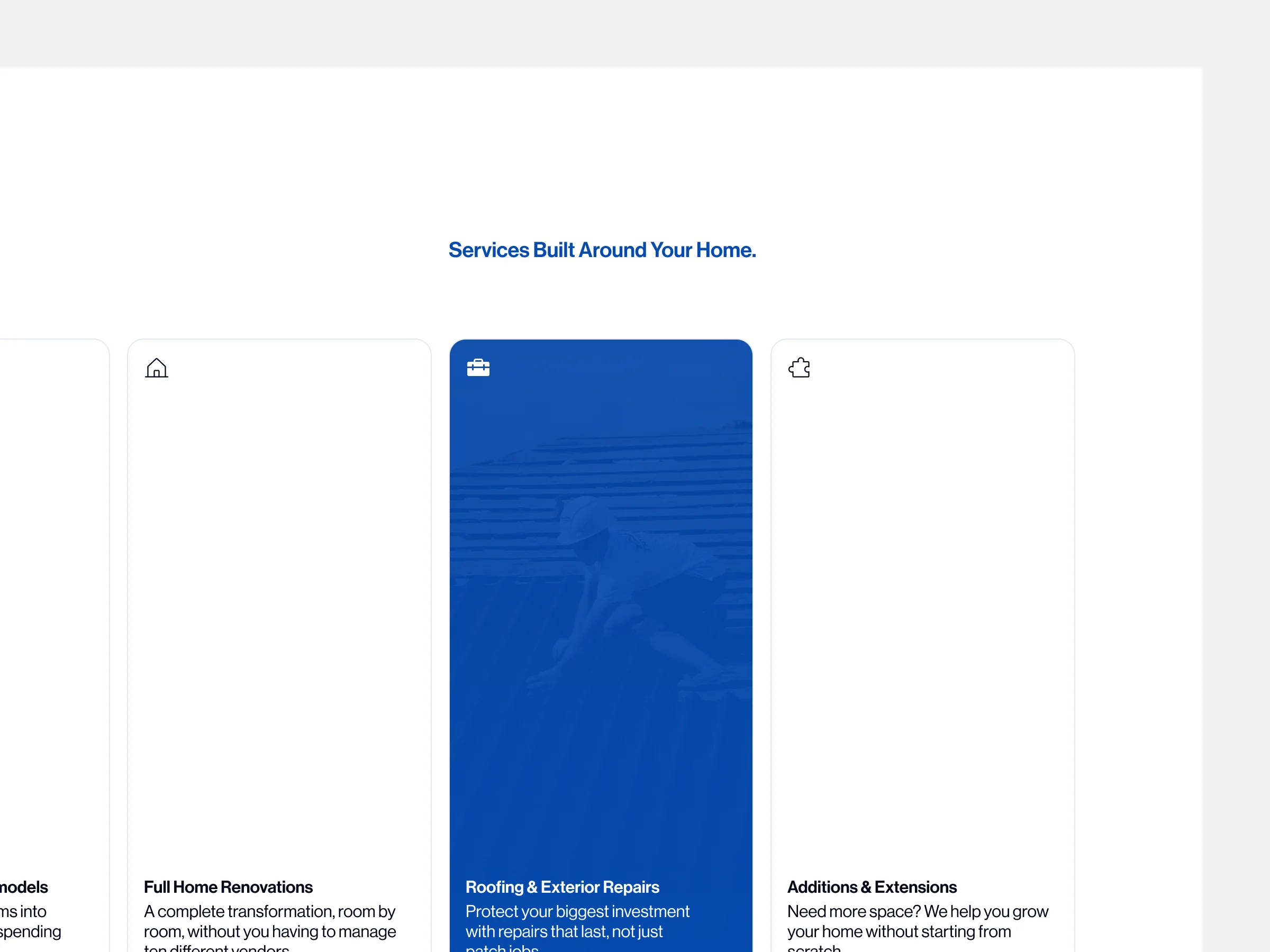
01
Put a number next to every job
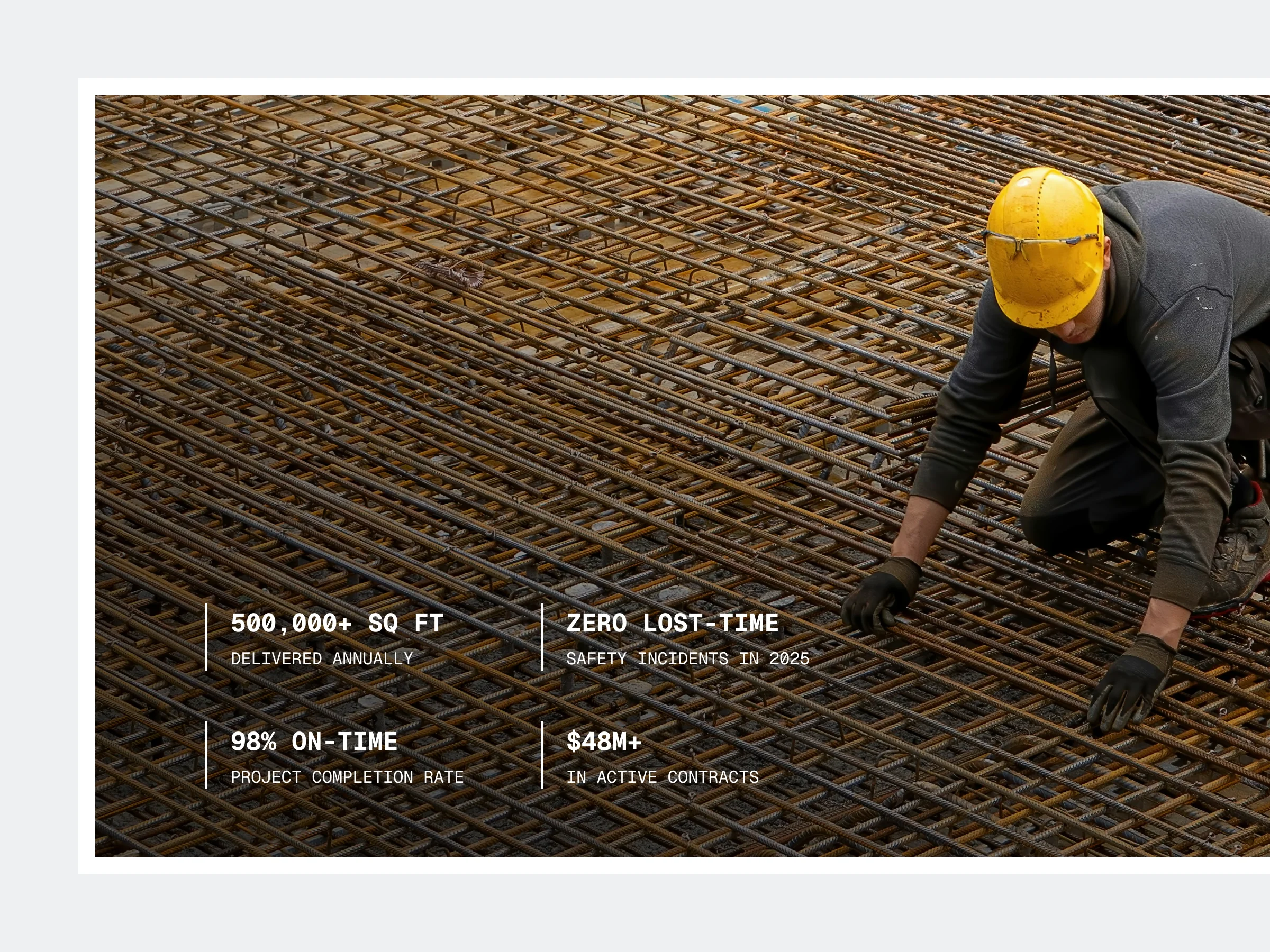
01
Give a recommendation somewhere to land
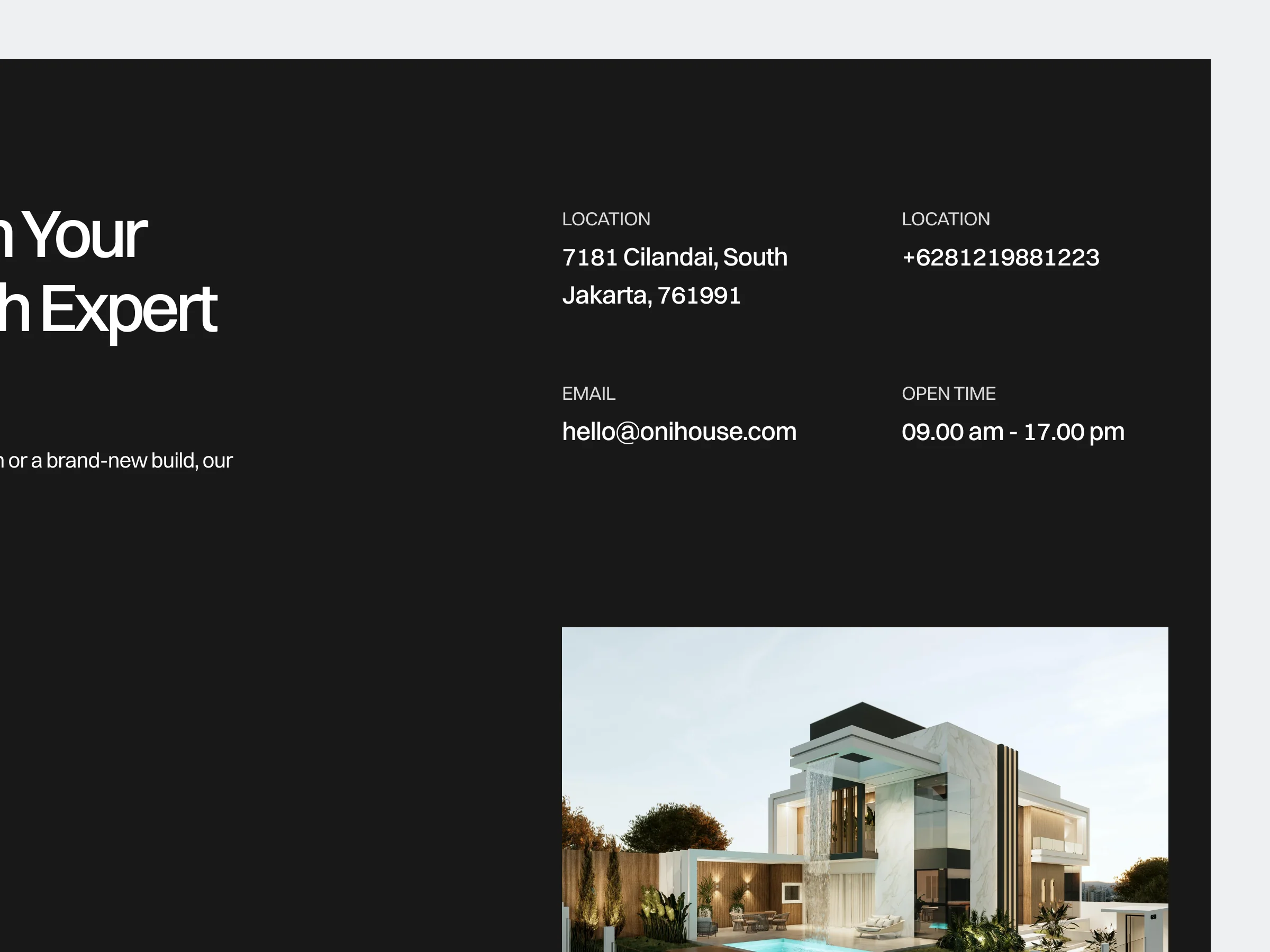
What the site should be doing instead.
Six things, in the same order as above.
01
Label every project with the client, the size and the result
01
Give every service its own page
01
Show your own jobsites, not a stock photo
01
Replace the adjectives with numbers
01
Ask for what you'd need to quote
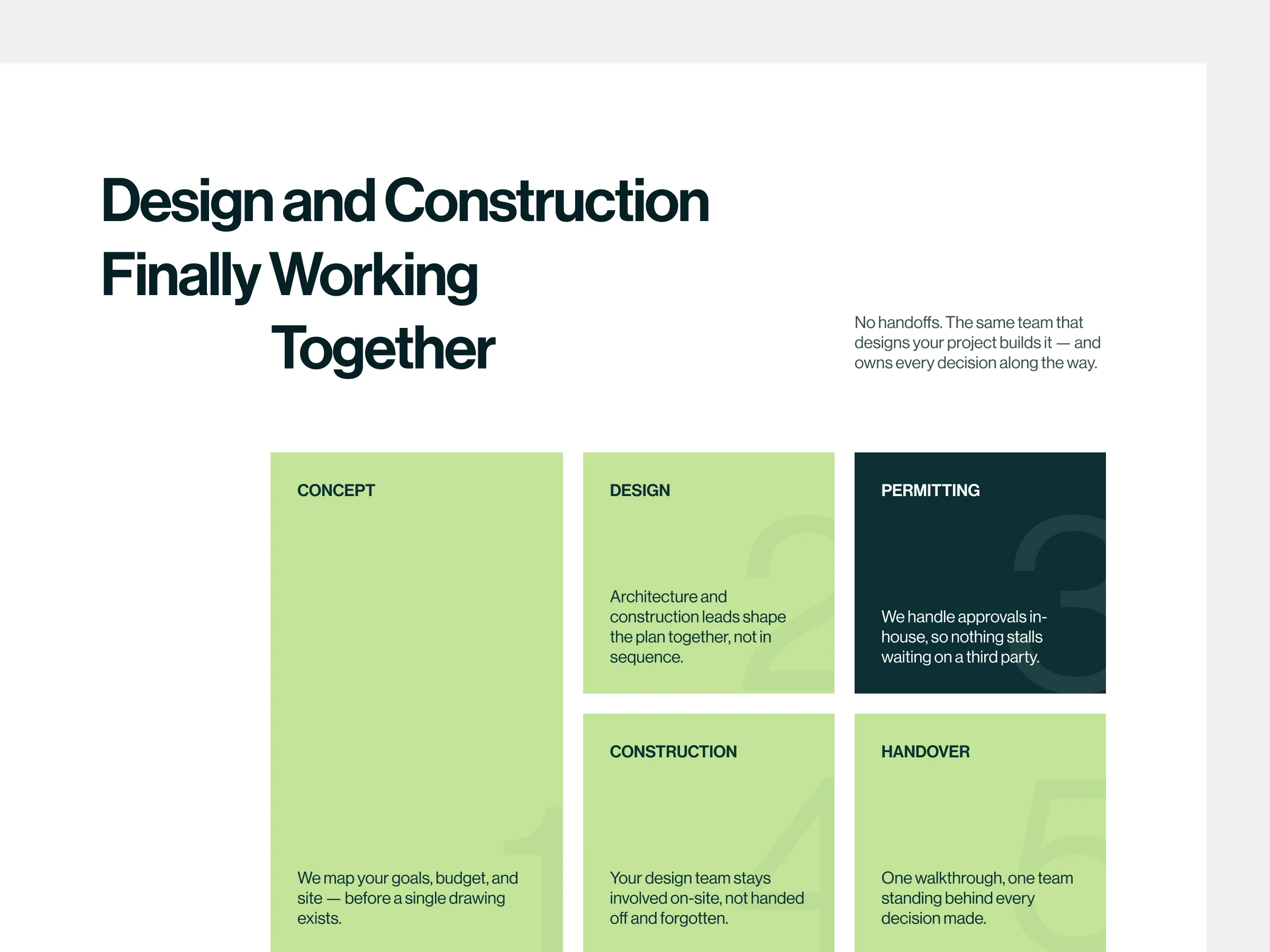
01
Put the credentials where the decision gets made
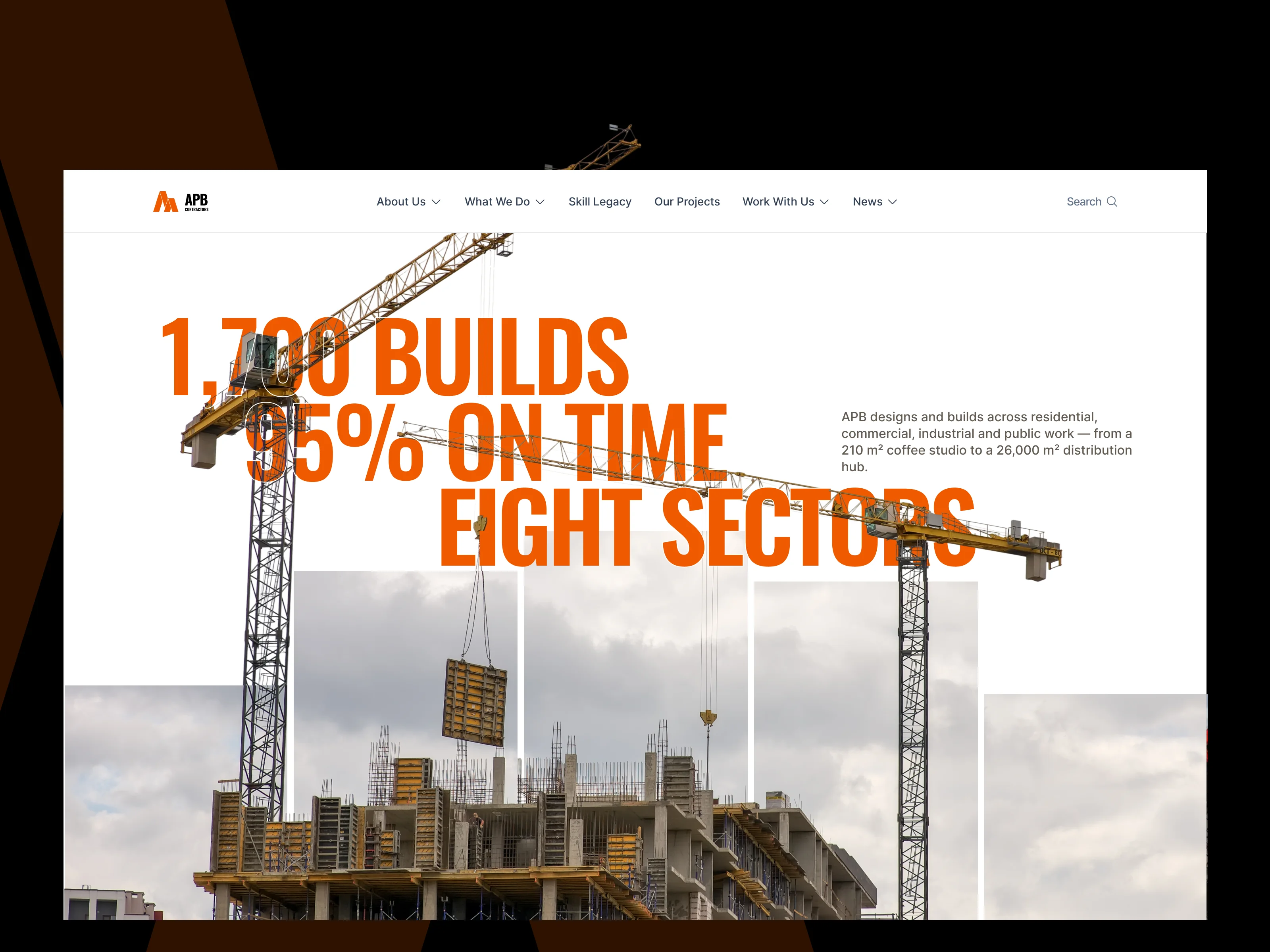
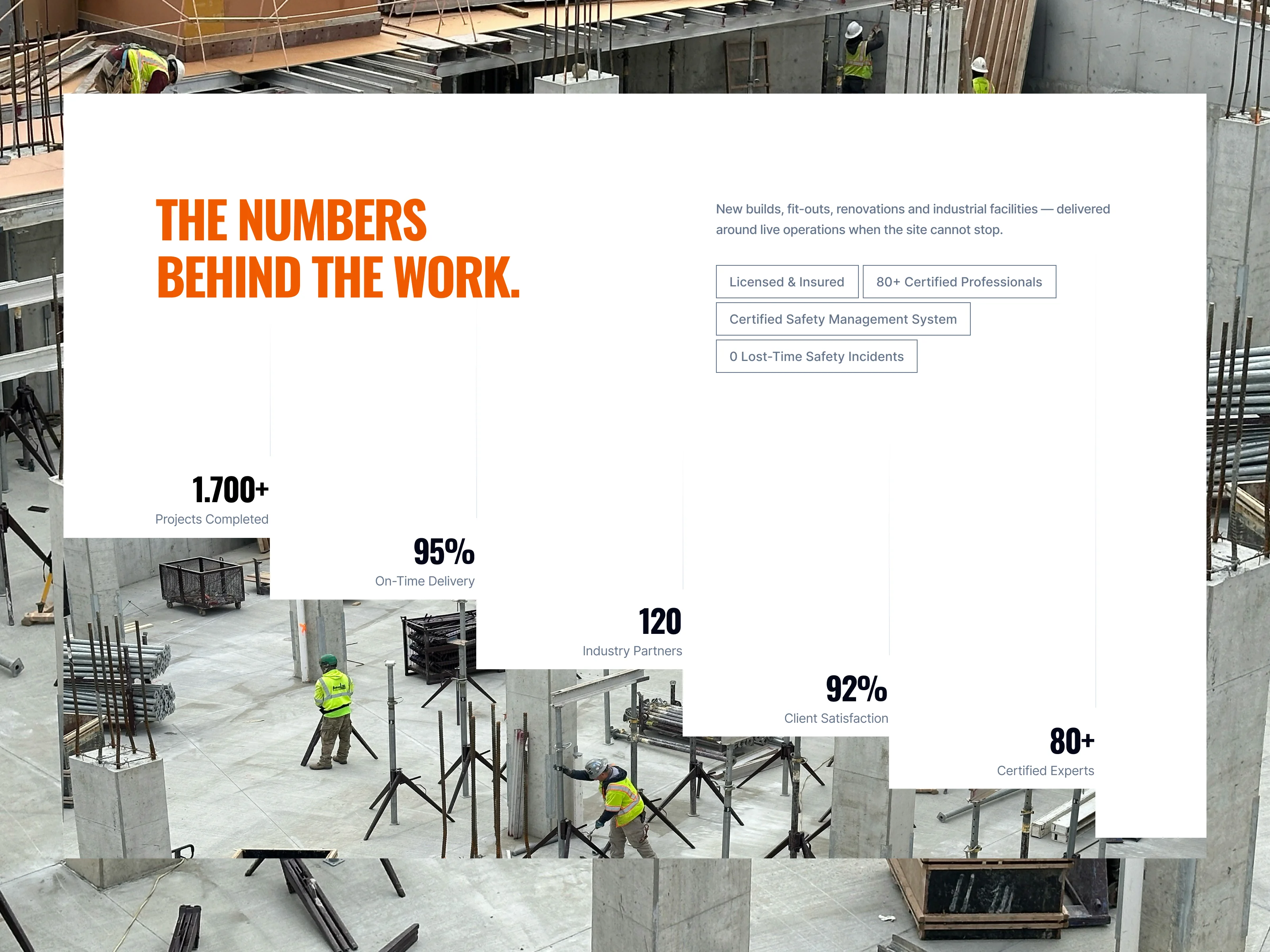
You can also have something like this.
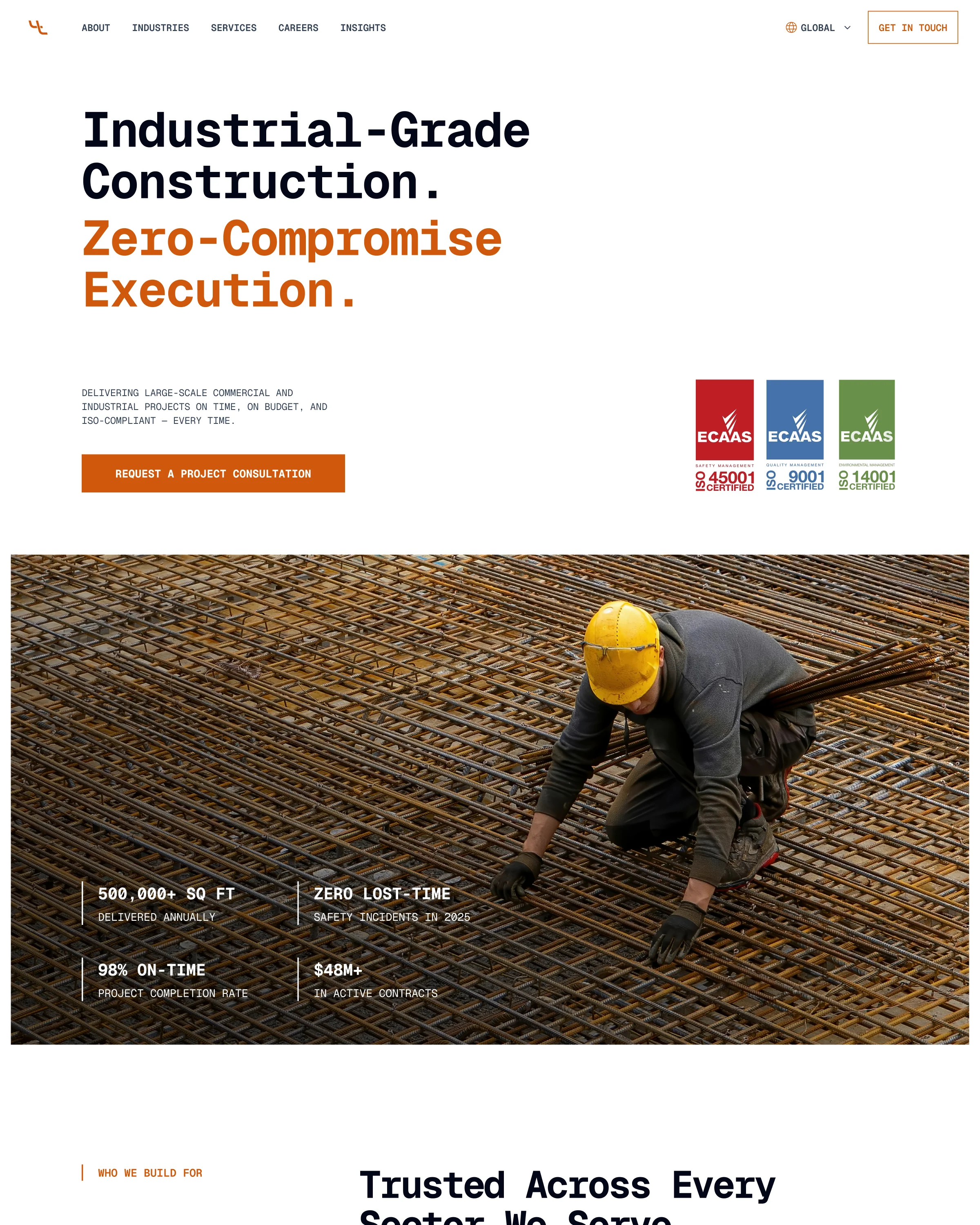
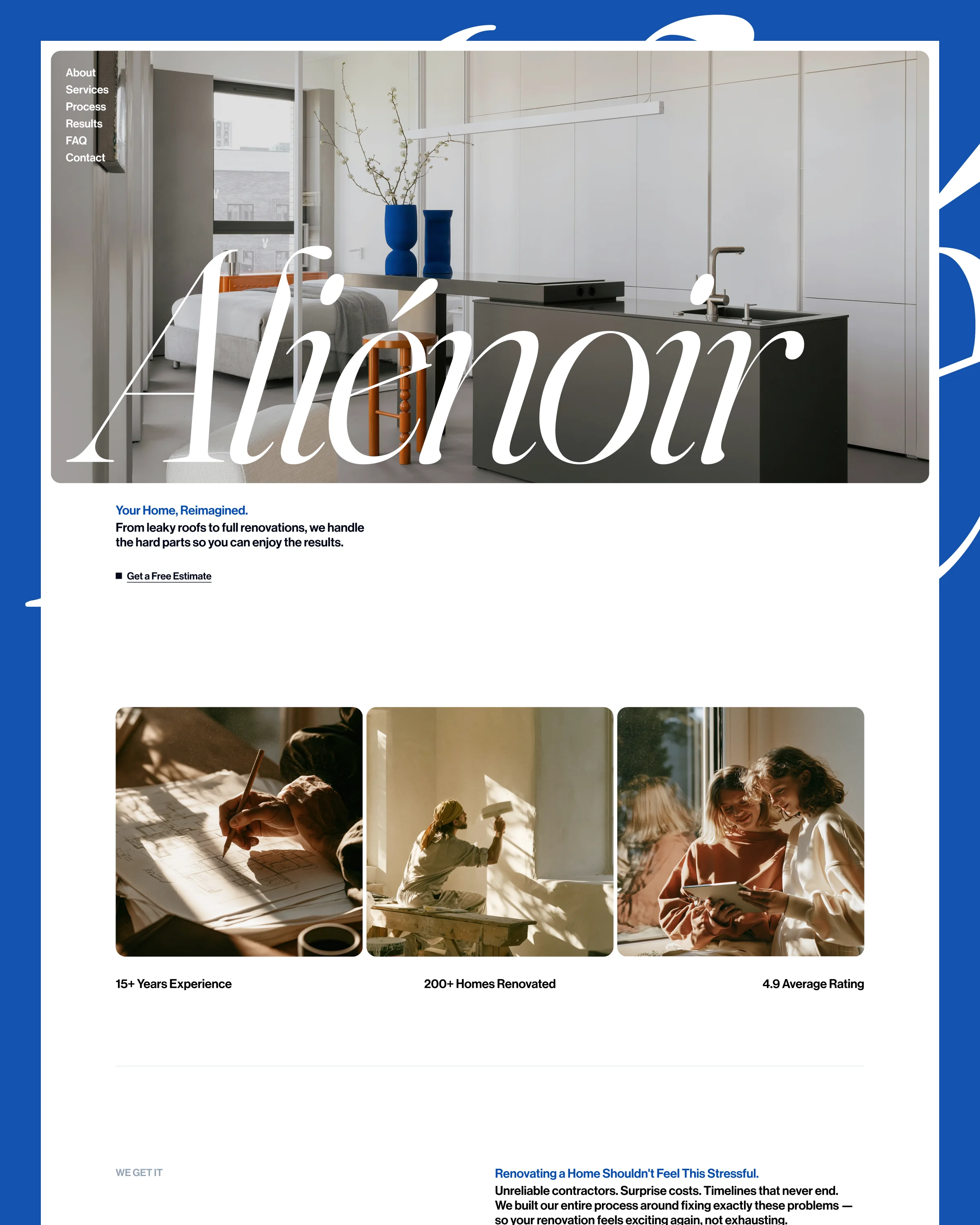
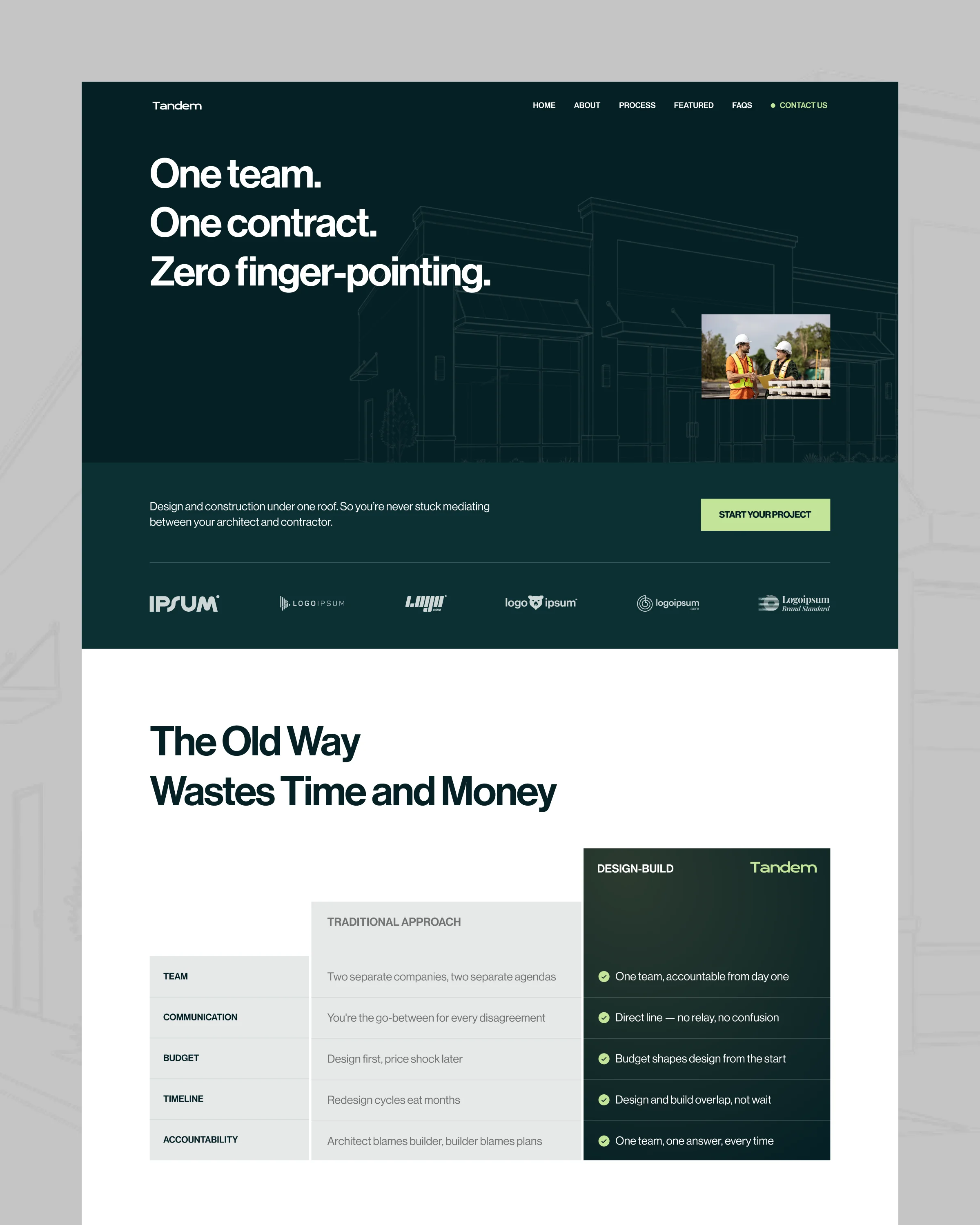
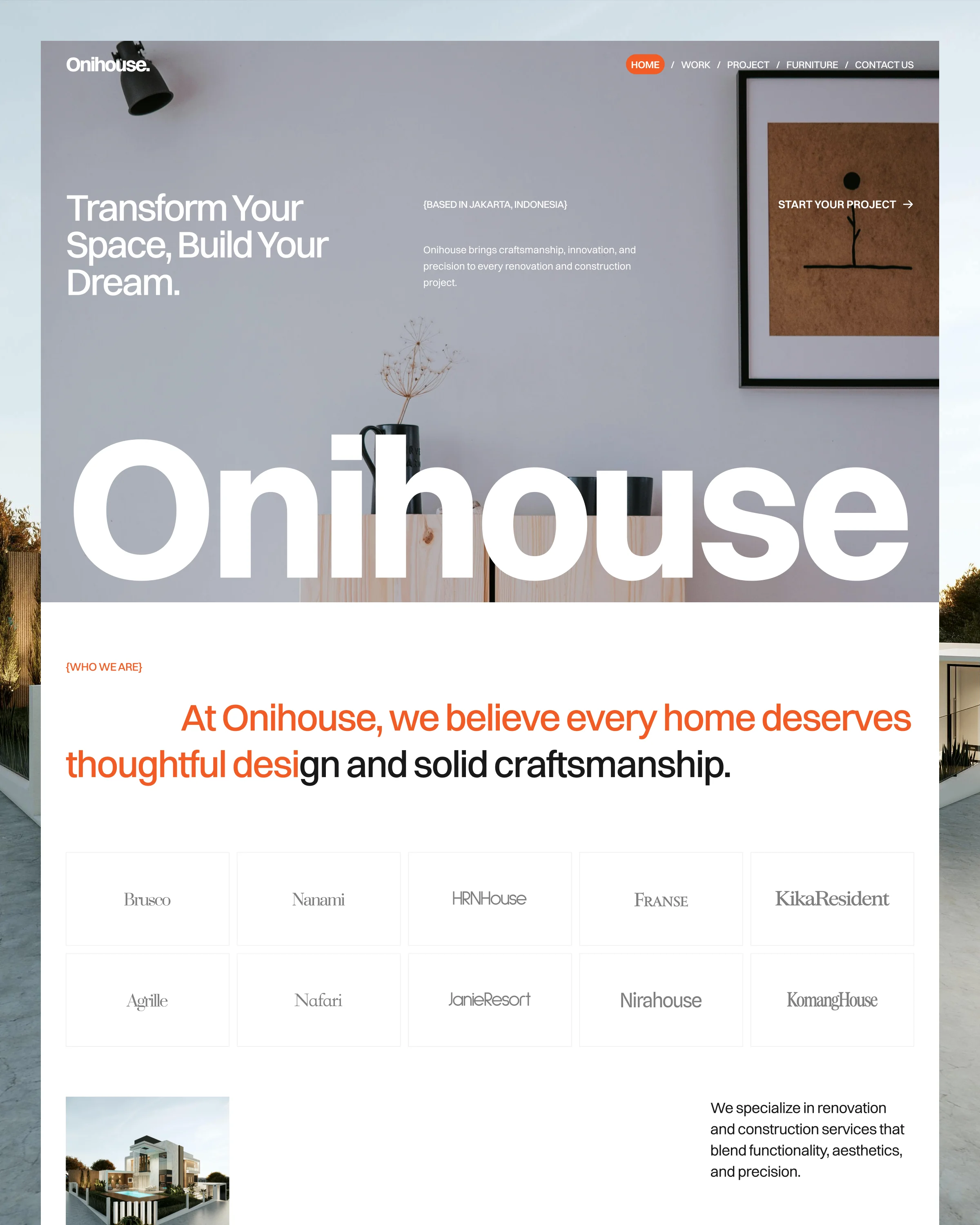
How we work with construction companies.




Curious what your construction company's website could look like?
Want to know what we'd fix first?
We assumed you already have a website.